
How to do a Cable Rear Delt Fly
Reviewed by Jim Parker, CPT, B.A. Kinesiology
About this exercise
- Sets Logged
- 761,890
- Popularity Rank
- 192nd
- Difficulty
- Beginner
- Shoulders Strength
- 83 mSCORE 56th
- Equipment Required

Workouts with Cable Rear Delt Fly
Target muscles worked
Instructions for Proper Form
Cable Rear Delt Fly focuses on isolating the rear deltoids, contributing to balanced shoulder development and improved posture. Unlike dumbbell variations, the cable machine provides constant tension, enhancing muscle activation and strength. This exercise also recruits the traps and rhomboids, supporting upper back strength. It's beneficial for correcting shoulder imbalances and enhancing the visual separation between the deltoids and upper back.
- Place the left and right pulley to a height just above your eye-line.
- Face the pulleys and stand upright with your feet at shoulder-width apart.
- Grasp the left pulley with your right hand and the right pulley with your left hand.
- Brace your core and move your arms outward and backward, keeping your arms straight.
- When your arms are fully extended outward to each side, pause for a brief moment and slowly return the pulley handles to the starting position.
Weight & 1 Rep Max Calculator
Average Cable Rear Delt Fly standards by male, female, weight, age and height
Use this calculator to see Fitbod's possible first recommendations for you. This would be your starting line, based on more than 4.5 billion logged sets from 1.1 million users.

- beginner8reps17.5lbs1 Rep Max22.5lbs
- intermediate8reps20lbs25lbs
- advanced8reps22.5lbs30lbs
Enter your stats to calculate your Reps & Weight
Alternatives & Variations to Cable Rear Delt Fly
1. Cable Lateral Raise
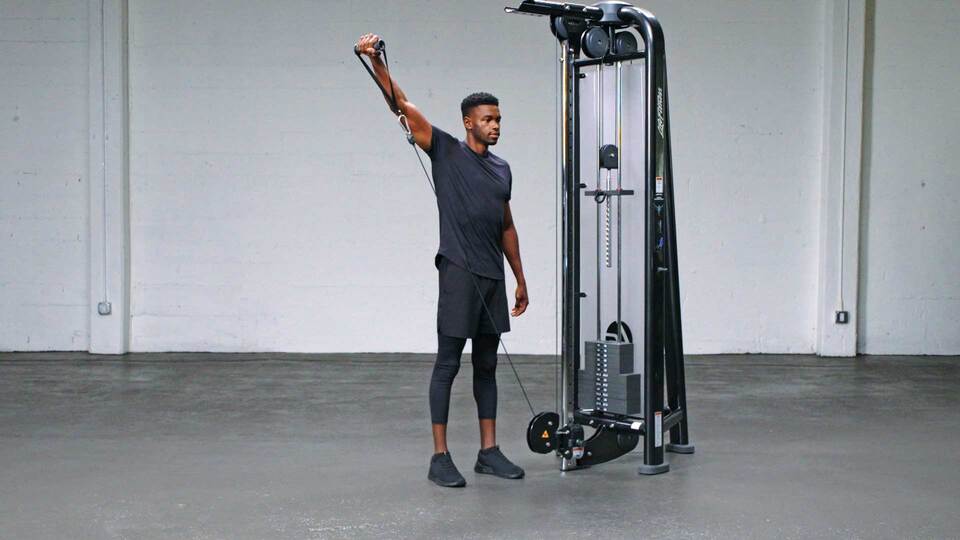 97.7 mSCORESWAPPED 2,912 TIMES
Cable Lateral Raise is a variation on the more standard Dumbbell Shoulder Raise. Similar to the Dumbbell Shoulder Raise, this isolation exercise primarily targets the shoulders, and more specifically the medial deltoid (middle of the shoulder). By using a cable machine, you have more control over the direction your resistance is coming from, and can easily make adjustments. In addition, by isolating each side of the body, you can more easily identify and address strength imbalances between sides.
2. Cable Face Pull
 96 mSCORESWAPPED 2,601 TIMES
Cable Face Pull is a compound exercise that primarily targets your shoulders, more specifically your posterior deltoids (back of the shoulder). By using a cable machine, you have more control over where the resistance is coming from, and can easily make adjustments by either moving towards or away from the cable machine, or by adjusting the height of the pulley.
- Intermediate
- Shoulders
- Hi-Lo Pulley Cable
3. Dumbbell Rear Delt Raise
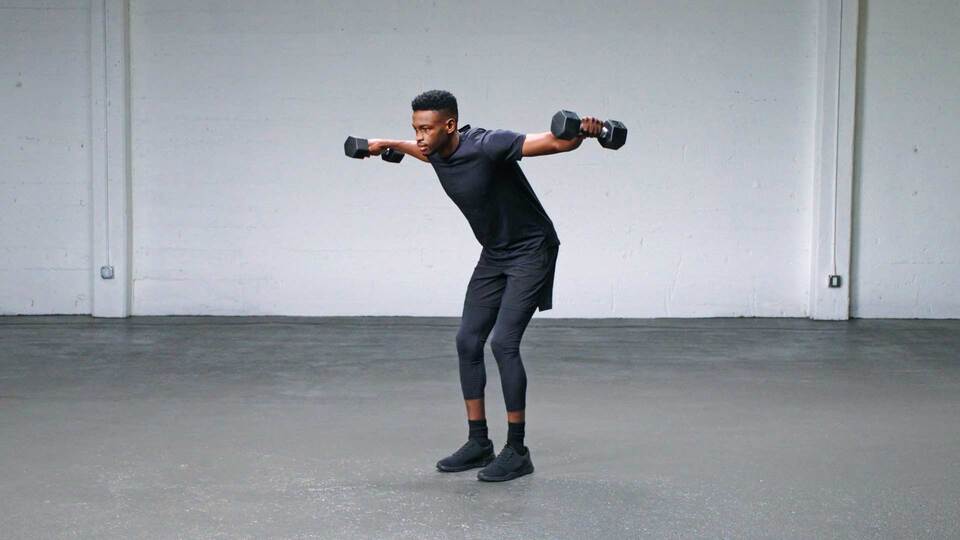 94.7 mSCORESWAPPED 2,493 TIMES
Dumbbell Rear Delt Raise is a variation of Dumbbell Shoulder Raise. Similar to other shoulder raises, this is an isolation exercise that primarily targets the shoulders. By hinging your hips back, and leaning forward slightly, you can further emphasize your rear deltoids (back of the shoulder).
4. Dumbbell Front Raise
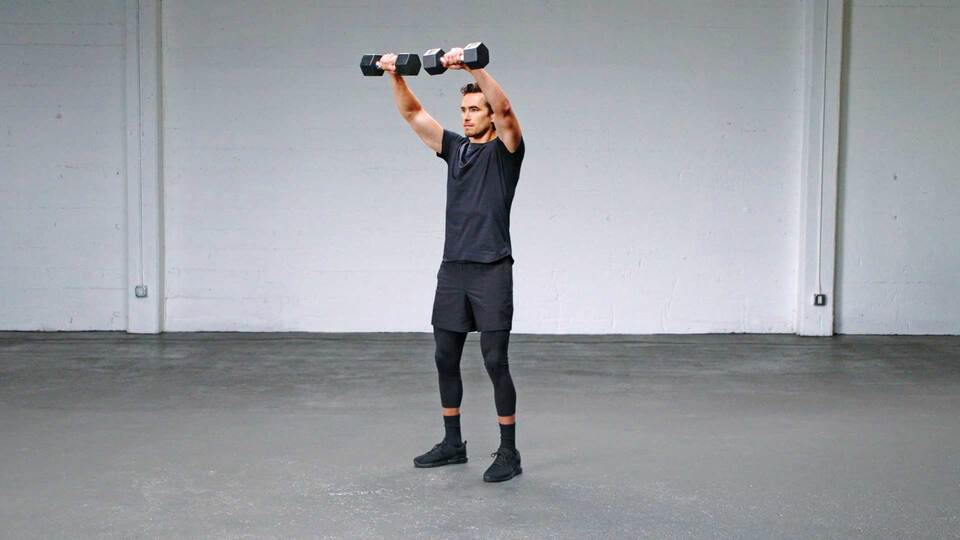 98.6 mSCORESWAPPED 2,114 TIMES
Dumbbell Front Raise is an isolation exercise that primarily targets the shoulders, more specifically the anterior deltoid (front of the shoulder). This is a very common shoulder exercise, and can work well to isolate the shoulders to build strength and muscle mass. By using dumbbells, you can help identify and address any strength imbalances between sides.
5. Dumbbell Back Fly
 93.6 mSCORESWAPPED 1,995 TIMES
Dumbbell Back Fly is an isolation exercise that primarily targets your shoulder, more specifically your posterior deltoid (back of the shoulder). It’s most closely related to a shoulder raise, with the main difference being that you’re leaning forward into an incline bench. This position allows you to better isolate the back of your shoulder. In addition, the incline bench adds more stability than some other variations.
6. Dumbbell Shoulder Press
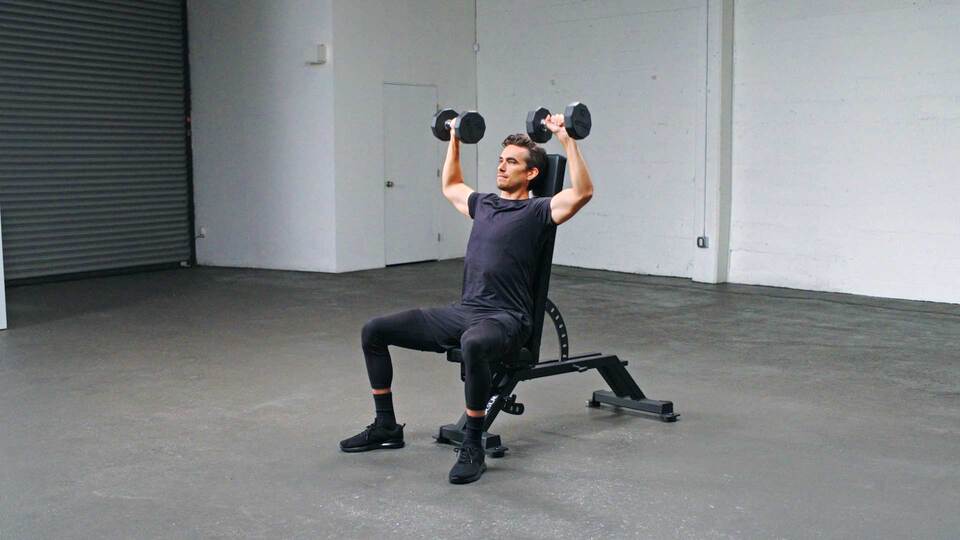 99.5 mSCORESWAPPED 1,863 TIMES
Dumbbell Shoulder Press is a compound exercise that primarily targets the shoulders. The use of dumbbells allows for slightly more instability than with equipment like barbells. This can help you recruit and develop stabilizing muscles around the shoulders. In addition, by using dumbbells, you can help identify and address any strength imbalances between sides.
7. Machine Shoulder Press
 92.5 mSCORESWAPPED 1,484 TIMES
is a variation on the more standard shoulder press that utilizes a machine. Like other shoulder presses, this is a compound exercise that primarily targets the shoulders. The use of the machine restricts your movements, and adds more stability. This allows you to focus more on exertion than stabilization. This is a great exercise for anyone looking to learn the basic movement, and develop the strength needed for other similar exercises or functional applications.
8. Machine Reverse Fly
 68.9 mSCORESWAPPED 1,413 TIMES
Machine Reverse Fly is an isolation exercise that primarily targets your shoulders, and more specifically your posterior deltoids (back of your shoulder). Using a machine restricts your range and adds stability to the movement. In addition, this machine will often place you in a more comfortable seated position compared to many other reverse fly variations.
9. Dumbbell Shoulder Raise
 97.8 mSCORESWAPPED 1,258 TIMES
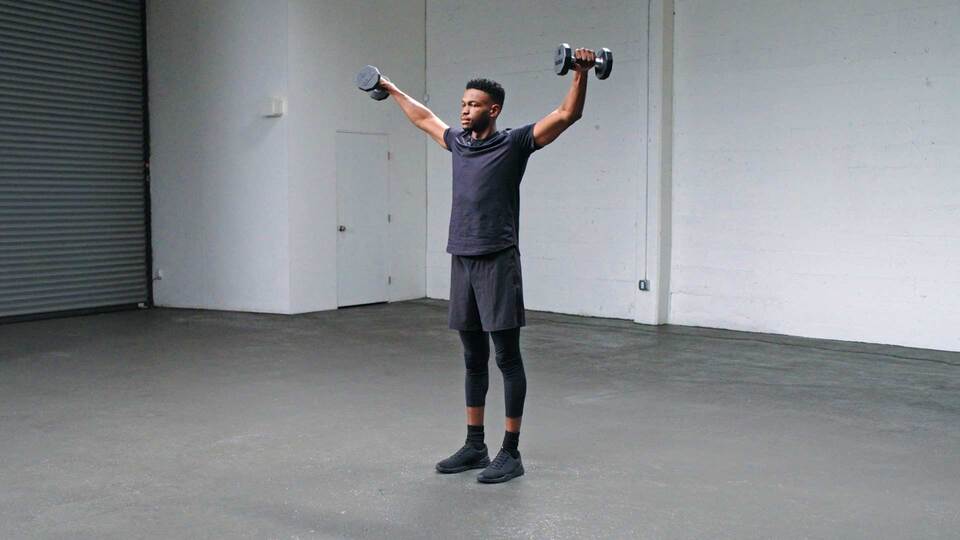
Dumbbell Shoulder Raise is an isolation exercise that primarily targets the shoulders, more specifically the medial deltoid (middle of the shoulder). This is a very common shoulder exercise and can work well for building muscle mass and strengthening the shoulders. By using dumbbells, you can help identify and address any strength imbalances between sides.
10. Machine Lateral Raise
 76.7 mSCORESWAPPED 980 TIMES
Machine Lateral Raise is a variation on the more standard Shoulder Raise. Similar to Shoulder Raise, this is an isolation exercise that primarily targets your shoulders. The use of a machine adds more stability to the movement, as well as restricting your range of motion. Both of these lead to a more stable exercise allowing you to focus on exertion.