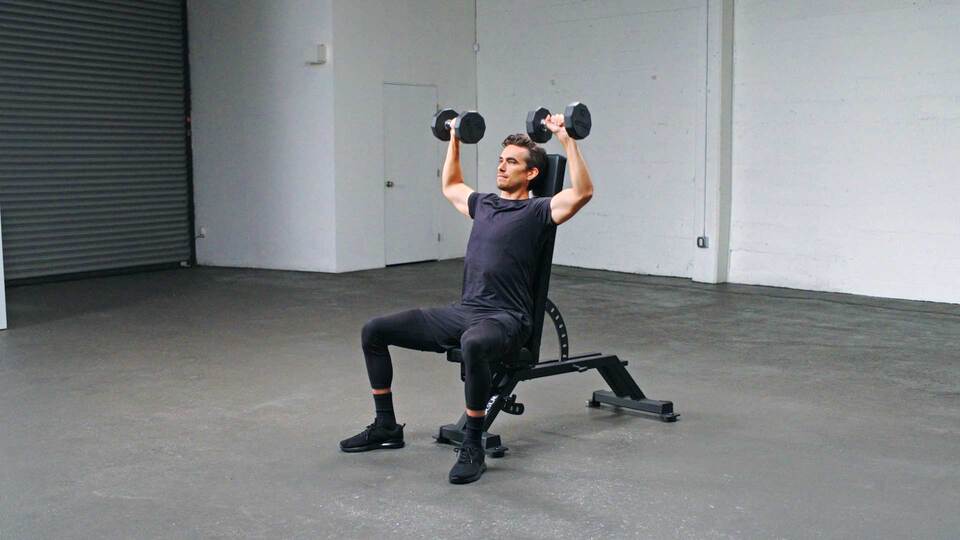
How to do a Dumbbell Shoulder Press
Reviewed by Jim Parker, CPT, B.A. Kinesiology
About this exercise
- Sets Logged
- 7,993,508
- Popularity Rank
- 6th
- Difficulty
- Beginner
- Shoulders Strength
- 99 mSCORE 1st
- Equipment Required
 Dumbbells
 Flat Bench
Workouts with Dumbbell Shoulder Press
Instructions for Proper Form
Dumbbell Shoulder Press is a compound exercise that primarily targets the shoulders. The use of dumbbells allows for slightly more instability than with equipment like barbells. This can help you recruit and develop stabilizing muscles around the shoulders. In addition, by using dumbbells, you can help identify and address any strength imbalances between sides.
- Sit on a bench with your back straight holding a pair of dumbbells just outside shoulder-width apart, palms facing forward, and elbows flexed to your sides.
- Begin to extend your arms overhead by pressing through your palms while keeping your wrist and forearms vertical to the ground.
- The dumbbells should be in align with your ears at full arm extension before descending them back to the starting position.
Tips & FAQs
Dumbbell Shoulder Press is also known as:
- DB Shoulder Press
- Dumbbell Overhead Press
- DB Overhead Press
What muscles does Dumbbell Shoulder Press work?
The Dumbbell Shoulder Press primarily works the deltoid muscles, particularly the anterior (front) and medial (side) deltoids. It also engages the triceps, upper chest, and trapezius muscles to a lesser extent. Additionally, the core muscles are activated for stabilization during the movement.
Which is better Dumbbell (DB) or Barbell (BB) Shoulder Press?
The dumbbell shoulder press offers a greater range of motion, helps correct muscle imbalances, and engages stabilizer muscles more. The barbell shoulder press allows for lifting heavier weights, provides more stability, and is more efficient for building overall strength.
Common Form Mistakes
Leaning Back
Leaning back can help you lift a bit more weight, or finish off a difficult set. However, it also reduces the effectiveness of the exercise, and increases the risk of injury. Keep your back straight, core engaged, and gaze forward to help prevent this.
Always Sitting
Performing this exercise while seated adds stability to the movement. You don’t need to focus on keeping your balance, or stabilizing your body. This allows you to focus more on exertion, which is great, but make sure you’re including some standing variations as well. This will help highlight and address some instability you may have with this movement.
Weight & 1 Rep Max Calculator
Average Dumbbell Shoulder Press standards by male, female, weight, age and height
Use this calculator to see Fitbod's possible first recommendations for you. This would be your starting line, based on more than 4.5 billion logged sets from 1.1 million users.

- beginner8reps20lbs1 Rep Max25lbs
- intermediate8reps30lbs40lbs
- advanced8reps35lbs45lbs
Enter your stats to calculate your Reps & Weight
Alternatives & Variations to Dumbbell Shoulder Press
1. Machine Shoulder Press
 92.5 mSCORESWAPPED 16,538 TIMES
is a variation on the more standard shoulder press that utilizes a machine. Like other shoulder presses, this is a compound exercise that primarily targets the shoulders. The use of the machine restricts your movements, and adds more stability. This allows you to focus more on exertion than stabilization. This is a great exercise for anyone looking to learn the basic movement, and develop the strength needed for other similar exercises or functional applications.
2. Barbell Shoulder Press
 97 mSCORESWAPPED 9,803 TIMES
Barbell Shoulder Press is a compound exercise that primarily targets your shoulders. By using a barbell instead of other pieces of equipment, you can add more stability to the movement, which allows you to focus more on exertion rather than stability. This is one of the best exercises for developing vertical pressing strength.
3. Hammerstrength Shoulder Press
 84.5 mSCORESWAPPED 9,061 TIMES
Hammerstrength Shoulder Press is a variation on the more standard shoulder press that utilizes a Hammerstrength machine. Like other shoulder presses, this is a compound exercise that primarily targets the shoulders. The use of the Hammerstrength Machine limits your range of motion, and adds stability to the movement. Both of these factors allow you to focus more on exertion and muscle activation, rather than stabilizing the movement itself.
4. Standing Dumbbell Shoulder Press
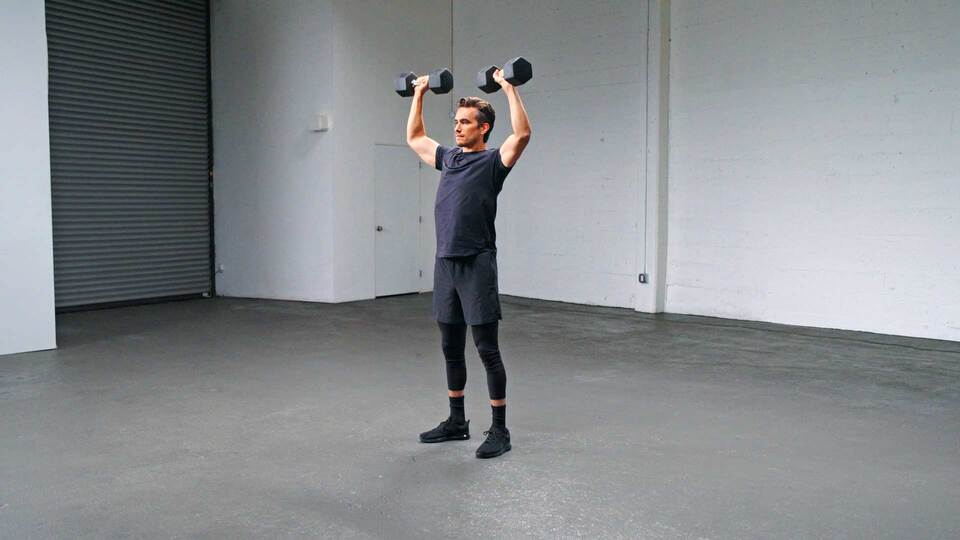 86 mSCORESWAPPED 7,308 TIMES
Standing Dumbbell Shoulder Press is a variation on the more standard Shoulder Press. Like other Shoulder Press variations, this is a compound exercise that primarily targets your shoulders. By using dumbbells, you add more instability to the movement which can help recruit smaller stabilizing muscles around your shoulder. In addition, by performing this exercise while standing you add even more instability.
5. Dumbbell Front Raise
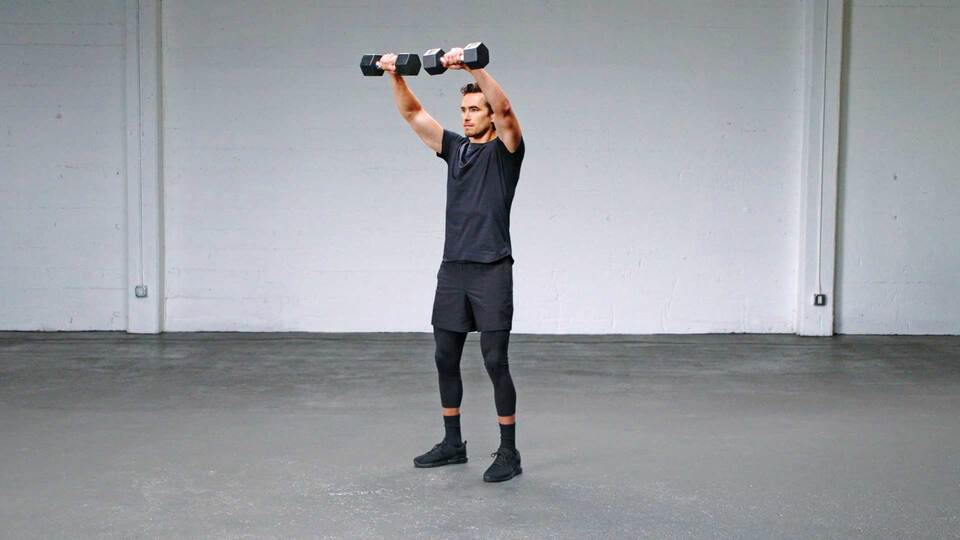 98.6 mSCORESWAPPED 7,290 TIMES
Dumbbell Front Raise is an isolation exercise that primarily targets the shoulders, more specifically the anterior deltoid (front of the shoulder). This is a very common shoulder exercise, and can work well to isolate the shoulders to build strength and muscle mass. By using dumbbells, you can help identify and address any strength imbalances between sides.
6. Arnold Dumbbell Press
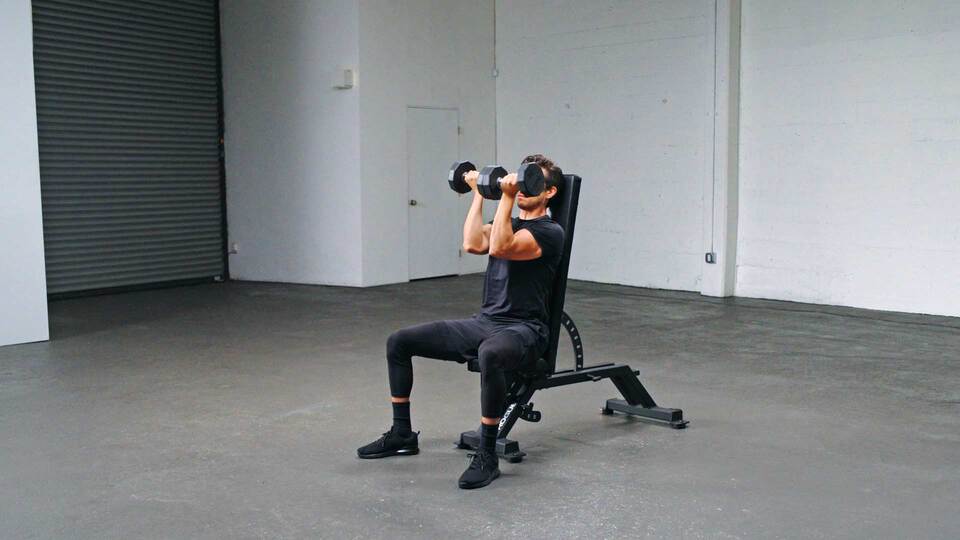 93.2 mSCORESWAPPED 6,480 TIMES
Arnold Dumbbell Press is a compound movement that primarily targets the shoulders. The difference between the Arnold Press and a standard Shoulder Press is that you bring the dumbbells in front of you at the bottom of the movement rather than stopping when they reach your shoulders. Bringing the dumbbells in front of you can be more a comfortable movement as well as improve muscle activation.
7. Cable Lateral Raise
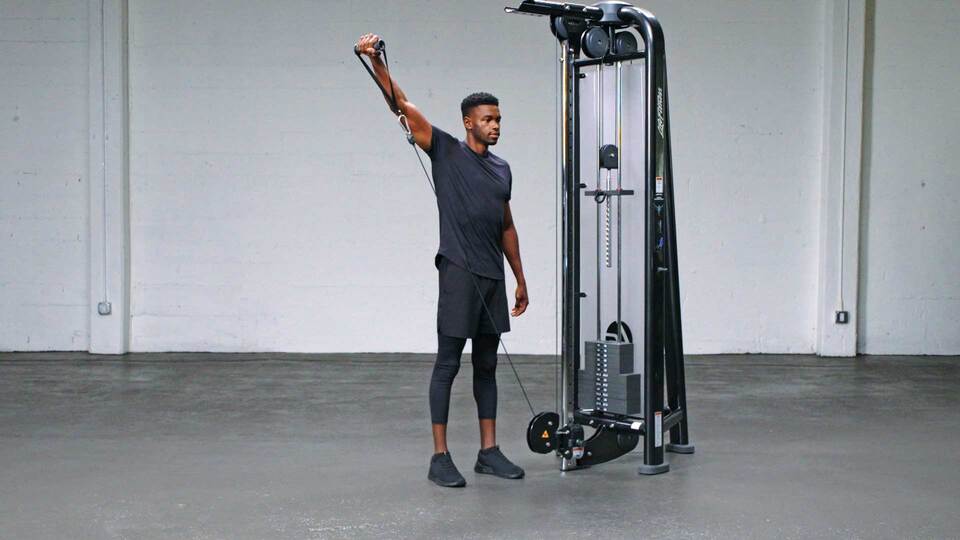 97.7 mSCORESWAPPED 6,064 TIMES
Cable Lateral Raise is a variation on the more standard Dumbbell Shoulder Raise. Similar to the Dumbbell Shoulder Raise, this isolation exercise primarily targets the shoulders, and more specifically the medial deltoid (middle of the shoulder). By using a cable machine, you have more control over the direction your resistance is coming from, and can easily make adjustments. In addition, by isolating each side of the body, you can more easily identify and address strength imbalances between sides.
8. Dumbbell Shoulder Raise
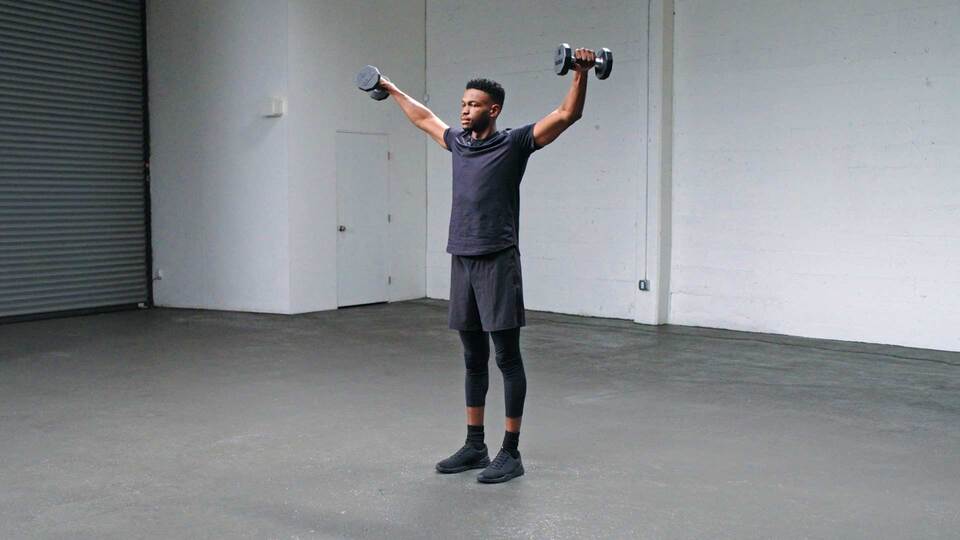 97.8 mSCORESWAPPED 5,474 TIMES
Dumbbell Shoulder Raise is an isolation exercise that primarily targets the shoulders, more specifically the medial deltoid (middle of the shoulder). This is a very common shoulder exercise and can work well for building muscle mass and strengthening the shoulders. By using dumbbells, you can help identify and address any strength imbalances between sides.
9. Seated Barbell Shoulder Press
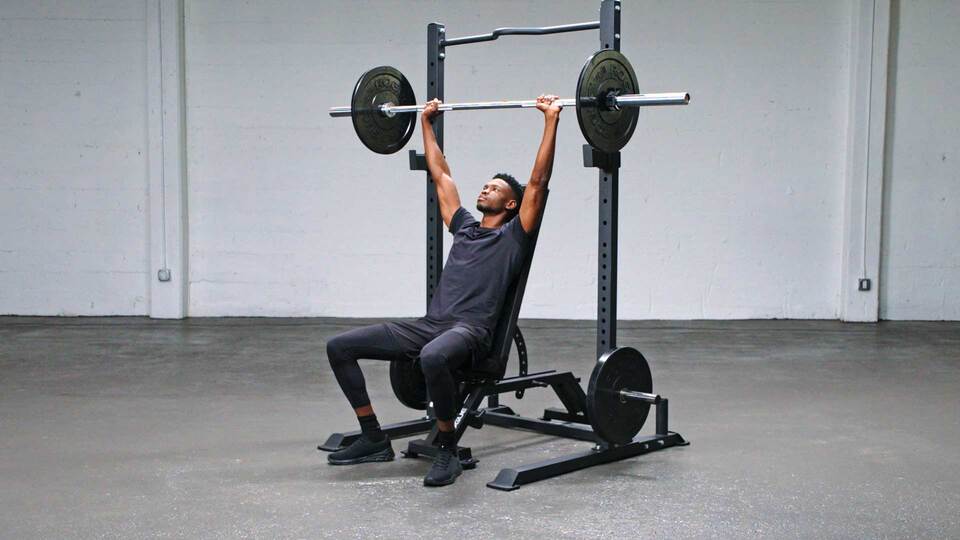 85.7 mSCORESWAPPED 3,646 TIMES
Seated Barbell Shoulder Press is a variation on the more standard Shoulder Press. Like other variations, this is a compound exercise that primarily targets your shoulders. By performing this exercise while seated, you add much more stability to the movement, allowing you to focus on exertion rather than stability. In addition, being seated also prevents you from utilizing your legs to assist in moving the weight.
10. Dumbbell Rear Delt Raise
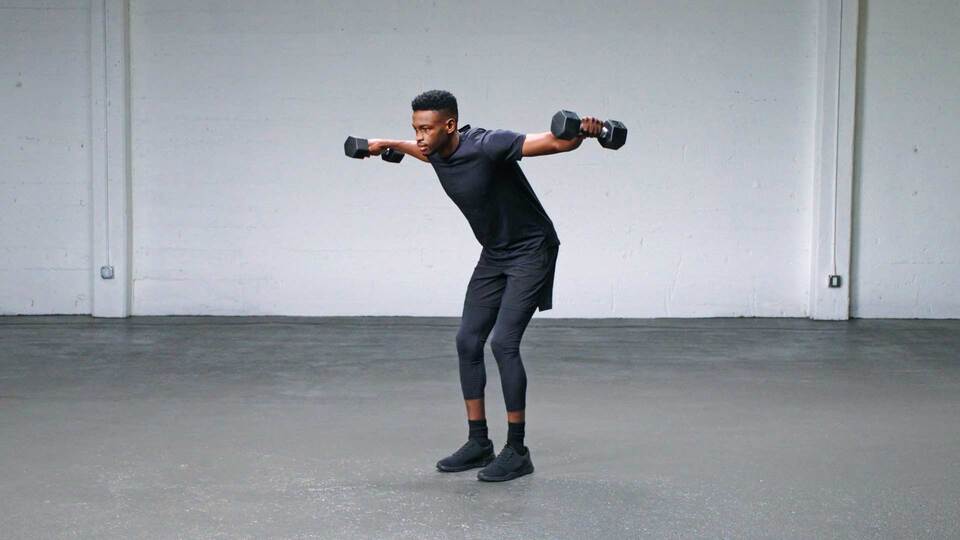 94.7 mSCORESWAPPED 3,611 TIMES
Dumbbell Rear Delt Raise is a variation of Dumbbell Shoulder Raise. Similar to other shoulder raises, this is an isolation exercise that primarily targets the shoulders. By hinging your hips back, and leaning forward slightly, you can further emphasize your rear deltoids (back of the shoulder).