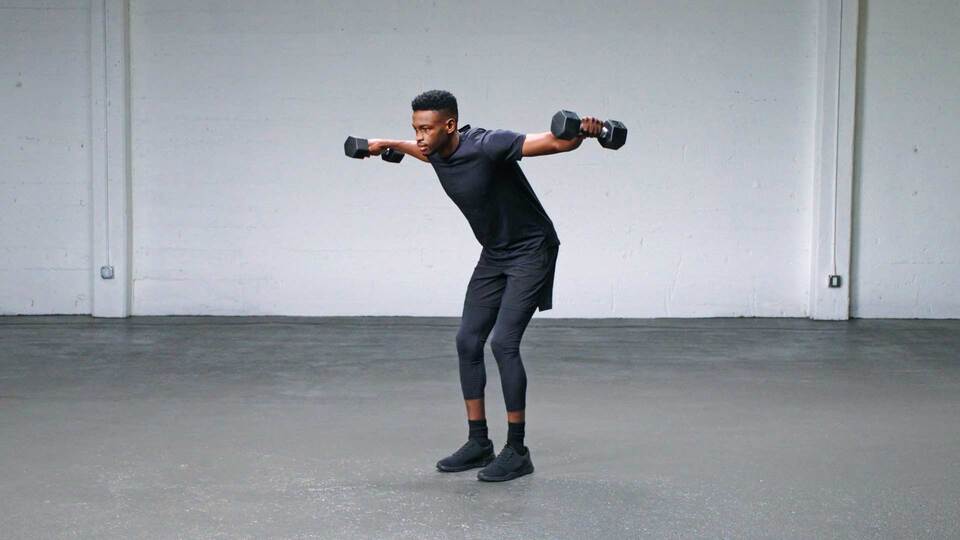
How to do a Dumbbell Rear Delt Raise
Reviewed by Jim Parker, CPT, B.A. Kinesiology
About this exercise
- Sets Logged
- 5,008,862
- Popularity Rank
- 25th
- Difficulty
- Intermediate
- Shoulders Strength
- 98 mSCORE 5th
- Equipment Required

Workouts with Dumbbell Rear Delt Raise
Instructions for Proper Form
Dumbbell Rear Delt Raise is a variation of Dumbbell Shoulder Raise. Similar to other shoulder raises, this is an isolation exercise that primarily targets the shoulders. By hinging your hips back, and leaning forward slightly, you can further emphasize your rear deltoids (back of the shoulder).
- Grab a pair of dumbbells and stand in an upright posture with your feet at shoulder-width apart.
- Hinge at your hips to 45 degrees and slightly bend your knees, lowering the dumbbells to knee height directly below your shoulders, palms facing each other.
- Keeping your elbows slightly flexed and your back straight, raise the dumbbells out laterally with emphasis on tightening between your shoulder blades once the dumbbells reach shoulder height.
- Control the dumbbells as you return to the starting position.
Tips & FAQs
Are Rear Deltoids Back or Shoulder?
Rear deltoids are part of the shoulder muscles. Specifically, they are located at the back of the shoulder and are responsible for movements such as shoulder extension, external rotation, and horizontal abduction. While they contribute to the appearance and strength of the upper back, they are anatomically classified as part of the shoulder muscle group.
Common Form Mistakes
Swinging the Dumbbells
Using momentum, or recruiting additional muscle groups can help you lift heavier weights with this exercise. However it also reduces the effectiveness, and increases the risk of injury. Keep your weights on the lighter side, and focus on controlling the weight. If you’re struggling, consider using a seated variation. This can help you prevent swinging the dumbbells or adding additional movements to this exercise.
Limit Range of Motion
Raising the weight too high can increase your risk of injury, and isn’t particularly beneficial for these exercises. Limit your range of motion to around shoulder height. If you’re looking to make the exercise more challenging consider pausing for a moment at the top of the movement.
Weight & 1 Rep Max Calculator
Average Dumbbell Rear Delt Raise standards by male, female, weight, age and height
Use this calculator to see Fitbod's possible first recommendations for you. This would be your starting line, based on more than 4.5 billion logged sets from 1.1 million users.

- beginner8reps12.5lbs1 Rep Max15lbs
- intermediate8reps15lbs20lbs
- advanced8reps17.5lbs22.5lbs
Enter your stats to calculate your Reps & Weight
Alternatives & Variations to Dumbbell Rear Delt Raise
1. Dumbbell Shoulder Press
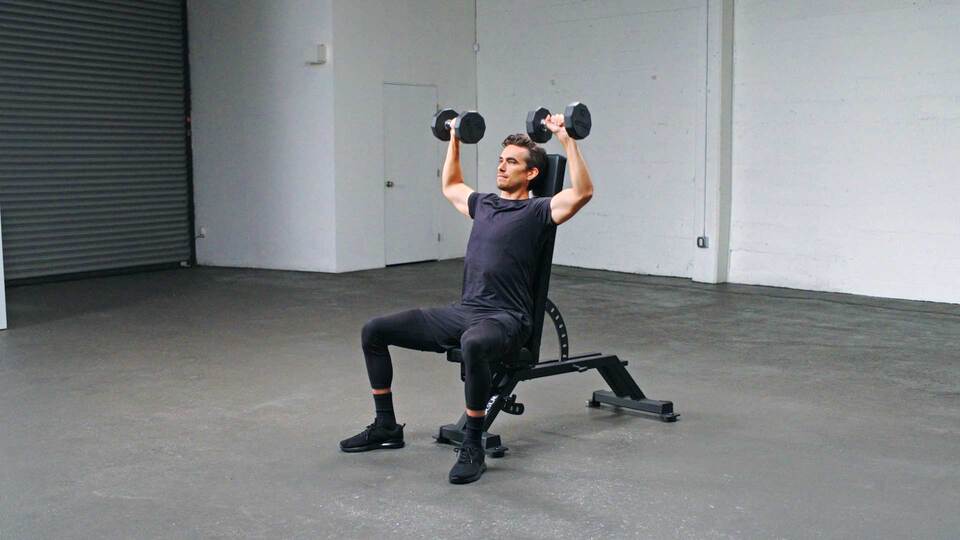 99.5 mSCORESWAPPED 12,330 TIMES
Dumbbell Shoulder Press is a compound exercise that primarily targets the shoulders. The use of dumbbells allows for slightly more instability than with equipment like barbells. This can help you recruit and develop stabilizing muscles around the shoulders. In addition, by using dumbbells, you can help identify and address any strength imbalances between sides.
2. Cable Lateral Raise
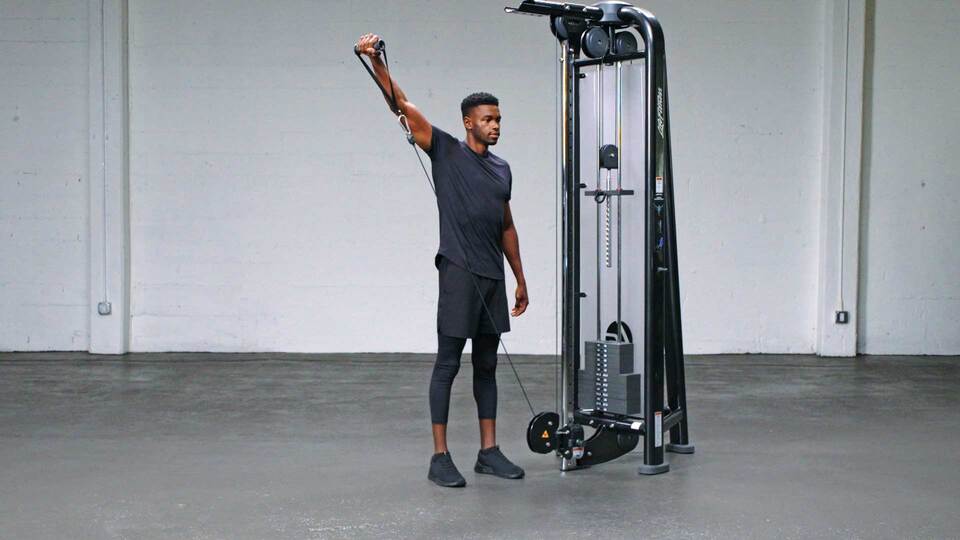 97.7 mSCORESWAPPED 12,059 TIMES
Cable Lateral Raise is a variation on the more standard Dumbbell Shoulder Raise. Similar to the Dumbbell Shoulder Raise, this isolation exercise primarily targets the shoulders, and more specifically the medial deltoid (middle of the shoulder). By using a cable machine, you have more control over the direction your resistance is coming from, and can easily make adjustments. In addition, by isolating each side of the body, you can more easily identify and address strength imbalances between sides.
3. Dumbbell Front Raise
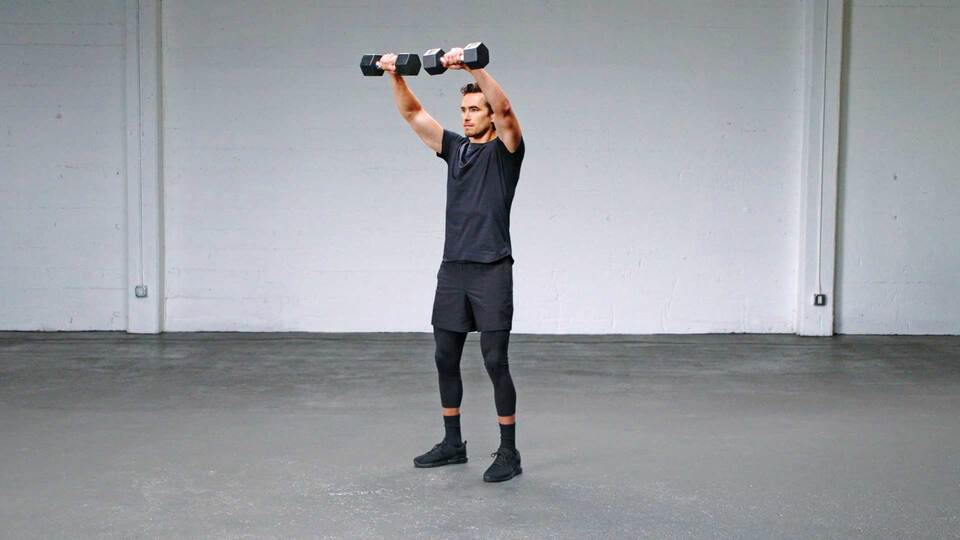 98.6 mSCORESWAPPED 7,677 TIMES
Dumbbell Front Raise is an isolation exercise that primarily targets the shoulders, more specifically the anterior deltoid (front of the shoulder). This is a very common shoulder exercise, and can work well to isolate the shoulders to build strength and muscle mass. By using dumbbells, you can help identify and address any strength imbalances between sides.
4. Cable Face Pull
 96 mSCORESWAPPED 6,601 TIMES
Cable Face Pull is a compound exercise that primarily targets your shoulders, more specifically your posterior deltoids (back of the shoulder). By using a cable machine, you have more control over where the resistance is coming from, and can easily make adjustments by either moving towards or away from the cable machine, or by adjusting the height of the pulley.
- Intermediate
- Shoulders
- Hi-Lo Pulley Cable
5. Dumbbell Shoulder Raise
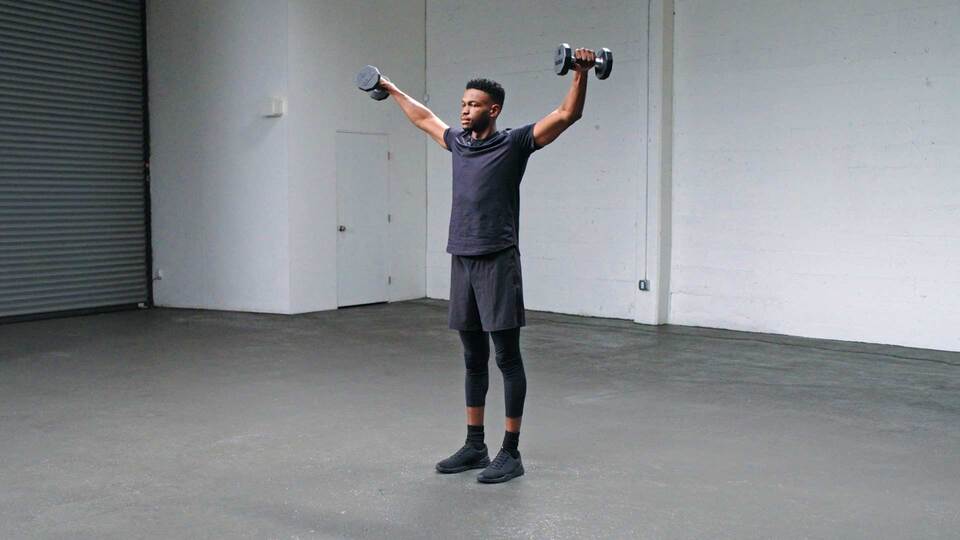 97.8 mSCORESWAPPED 6,238 TIMES
Dumbbell Shoulder Raise is an isolation exercise that primarily targets the shoulders, more specifically the medial deltoid (middle of the shoulder). This is a very common shoulder exercise and can work well for building muscle mass and strengthening the shoulders. By using dumbbells, you can help identify and address any strength imbalances between sides.
6. Dumbbell Lateral Raise
 95.5 mSCORESWAPPED 4,835 TIMES
An isolation exercise using dumbbells to raise the arms sideways, targeting the deltoid muscles.
7. Barbell Shoulder Press
 97 mSCORESWAPPED 4,820 TIMES
Barbell Shoulder Press is a compound exercise that primarily targets your shoulders. By using a barbell instead of other pieces of equipment, you can add more stability to the movement, which allows you to focus more on exertion rather than stability. This is one of the best exercises for developing vertical pressing strength.
8. Dumbbell Back Fly
 93.6 mSCORESWAPPED 4,581 TIMES
Dumbbell Back Fly is an isolation exercise that primarily targets your shoulder, more specifically your posterior deltoid (back of the shoulder). It’s most closely related to a shoulder raise, with the main difference being that you’re leaning forward into an incline bench. This position allows you to better isolate the back of your shoulder. In addition, the incline bench adds more stability than some other variations.
9. Seated Dumbbell Rear Delt Raise
 82.4 mSCORESWAPPED 4,540 TIMES
Seated Dumbbell Rear Delt Raise is an isolation exercise that primarily targets the rear deltoids (back of the shoulder). By performing this exercise while seated, you add more stability, preventing body sway to assist with the lift. The use of dumbbells ensures equal load distribution between sides, helping identify and correct strength imbalances, making it excellent for isolated shoulder training.
10. Arnold Dumbbell Press
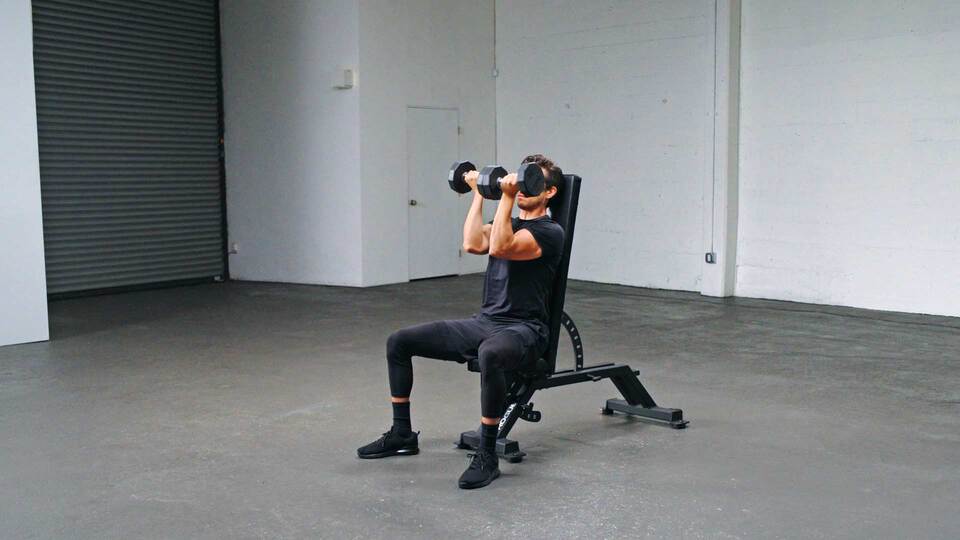 93.2 mSCORESWAPPED 4,315 TIMES
Arnold Dumbbell Press is a compound movement that primarily targets the shoulders. The difference between the Arnold Press and a standard Shoulder Press is that you bring the dumbbells in front of you at the bottom of the movement rather than stopping when they reach your shoulders. Bringing the dumbbells in front of you can be more a comfortable movement as well as improve muscle activation.