
How to do a Dumbbell Decline Fly
Reviewed by Jim Parker, CPT, B.A. Kinesiology
About this exercise
- Sets Logged
- 384,341
- Popularity Rank
- 451st
- Difficulty
- Intermediate
- Chest Strength
- 59 mSCORE 60th
- Equipment Required
 Dumbbells
 Decline Bench
Workouts with Dumbbell Decline Fly
Target muscles worked
Instructions for Proper Form
The Dumbbell Decline Fly targets the lower chest muscles, enhancing definition and strength. Performed on a decline bench, it increases the engagement of the lower pectorals, while also involving the deltoids and biceps for stabilization. This variation provides a deep stretch and a unique challenge, promoting muscle growth and improving the overall aesthetics of the chest area.
- Secure your legs at the top of a decline bench and lie down on your back while squeezing your shoulder blades together and placing your heels firmly on the ground underneath your knees.
- The bench should be in contact with your head, shoulders, and butt at all times.
- Position the dumbbells so that they are over your shoulders, palms facing in, and elbows slightly bent.
- Keeping your core braced, laterally lower the dumbbells in a wide arc to the sides while keeping your elbows slightly bent.
- Once the dumbbells have been lowered to the same height as your chest, exhale to return the dumbbells back to the starting position.
Weight & 1 Rep Max Calculator
Average Dumbbell Decline Fly standards by male, female, weight, age and height
Use this calculator to see Fitbod's possible first recommendations for you. This would be your starting line, based on more than 4.5 billion logged sets from 1.1 million users.

- beginner8reps17.5lbs1 Rep Max22.5lbs
- intermediate8reps25lbs30lbs
- advanced8reps30lbs40lbs
Enter your stats to calculate your Reps & Weight
Alternatives & Variations to Dumbbell Decline Fly
1. Dumbbell Fly
 98.3 mSCORESWAPPED 1,592 TIMES
Dumbbell Fly’s are one of the most common isolation chest exercises, and for good. It primarily targets the muscles in the chest, but also recruits the shoulders for stability. The use of dumbbells ensures that you’re targeting each side of the body independently, and prevents compensating for any weaknesses between sides. In addition the isolated nature of this exercise is a great way to fatigue your chest, and focus on building both muscle mass and increasing strength in your chest.
2. Dumbbell Decline Bench Press
 86.1 mSCORESWAPPED 786 TIMES
Dumbbell Decline Bench Press is a variation on the more standard Barbell Decline Bench Press. Similar to other decline variations, this compound exercise primarily targets the chest, shoulders, and triceps, however the decline adds more emphasis to your lower chest.
3. Dumbbell Incline Fly
 91.1 mSCORESWAPPED 690 TIMES
Dumbbell Incline Fly emphasizes the upper chest, improving muscle definition and shoulder flexibility. Performed on an incline, it targets the upper pectorals while also engaging deltoids and triceps, offering a comprehensive upper body workout that enhances strength and aesthetics.
4. Machine Fly
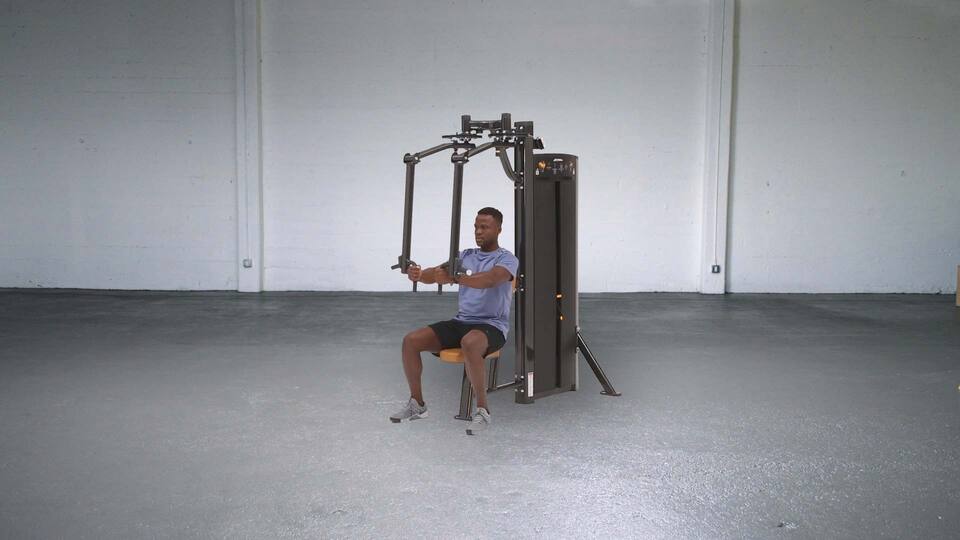 98.2 mSCORESWAPPED 653 TIMES
Machine Fly is a variation on the more standard Dumbbell Fly. This isolation chest exercise primarily targets the chest, but also recruits the shoulders. The use of a machine makes the exercise more stable allowing you to focus on exertion or learn the movement with minimal risk of injury. This is a great exercise for beginners looking to learn the movement, or advanced lifters looking to push this movement to it’s limit.
5. Cable Crossover Fly
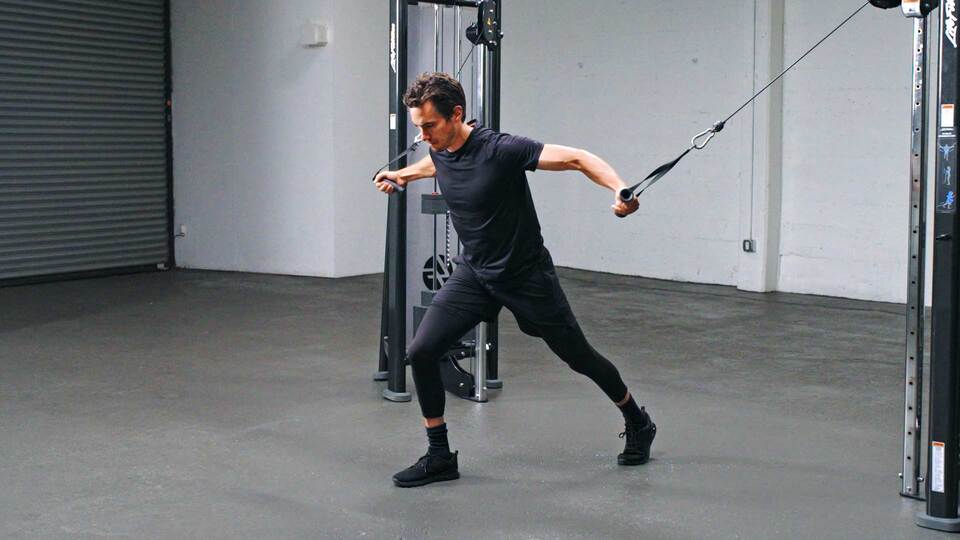 97.3 mSCORESWAPPED 605 TIMES
Cable Crossover Fly is an isolation exercise that targets the chest. It’s a variation on the more standard Dumbbell Fly, and can easily be adapted to further isolate specific areas of the chest. Using cables to add resistance allows you to keep more consistent tension on your chest, as well as control the angle that the resistance is coming from.
6. Dumbbell Incline Bench Press
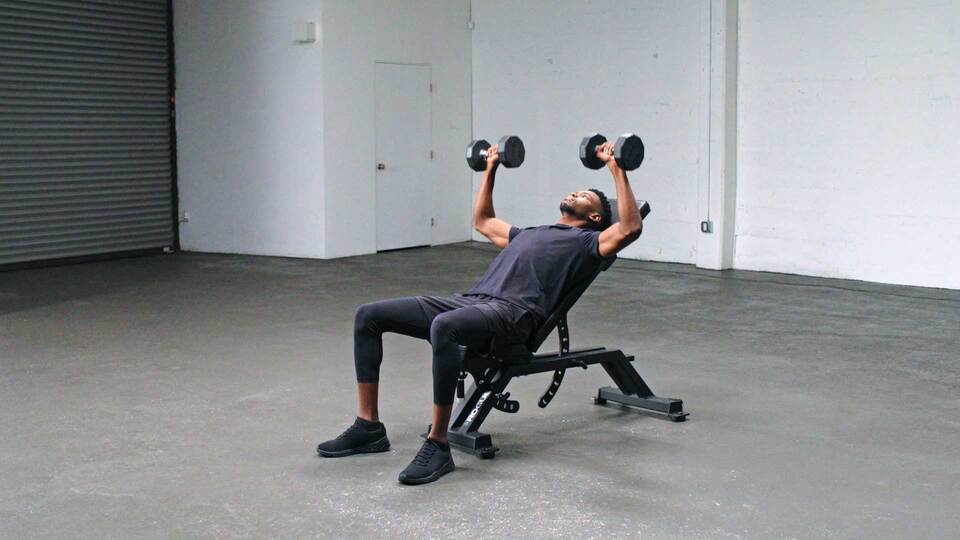 99 mSCORESWAPPED 426 TIMES
Dumbbell Incline Bench Press is a variation on the more standard Barbell Incline Bench Press. This compound exercise primarily targets the chest, but the incline also places more emphasis on the shoulders. The use of dumbbells makes this exercise more unstable than its barbell counterpart, while also forcing you to address any strength discrepancies between sides.
7. Barbell Decline Bench Press
 89 mSCORESWAPPED 360 TIMES
Barbell Decline Bench Press is a variation on the standard Barbell Bench Press. Like the standard Barbell Bench Press, this compound exercise primarily targets the chest, but also recruits the triceps and shoulders. Performing this exercise on a decline helps to emphasize the lower part of the chest.
8. Dumbbell Bench Press
 99.7 mSCORESWAPPED 341 TIMES
Dumbbell Bench Press is a variation on the standard Bench Press. Like Bench Press, this compound exercise primarily targets the chest, while also training the triceps and shoulders. The use of dumbbells allows for greater instability which can help you become more stable on pushing movements in general, while also isolating each side of the body to prevent you from compensating for any weaknesses between sides.
9. Dumbbell Squeeze Press
 91.1 mSCORESWAPPED 273 TIMES
Similar to other Bench Press variations, this compound exercise primarily targets your chest, shoulders, and triceps. Unlike many other variations, some of the tension from this exercise is caused by pressing two dumbbells together rather than simply relying on the weight of those dumbbells. This helps maintain more tension in your chest throughout the movement without relying on other pieces of equipment. The positioning of the dumbbells can also take some tension out of your shoulders, and helps to further isolate your chest.
10. Low Cable Chest Fly
 86.8 mSCORESWAPPED 268 TIMES
Low Cable Chest Fly is an isolation exercise that primarily targets the chest. By using a low pulley setup, you emphasize the lower part of the chest more than other Fly variations. The cables provide consistent tension throughout the movement, and allow for greater control over the angle of resistance, enhancing muscle activation.
- Intermediate
- Chest
- Cable Crossover