
How to do a Battle Ropes Outside Spiral
Reviewed by Jim Parker, CPT, B.A. Kinesiology
About this exercise
- Sets Logged
- 10,270
- Popularity Rank
- 1060th
- Difficulty
- Intermediate
- Shoulders Strength
- 67 mSCORE 94th
- Equipment Required
 Battle Ropes
Workouts with Battle Ropes Outside Spiral
Instructions for Proper Form
Battle Ropes Outside Spiral is a variation on the more standard Battle Ropes. Like the standard Battle Ropes this exercise is a highly intense compound movement that targets muscles throughout your shoulders, arms, and core. By performing the same movement with both sides simultaneously, you can get more explosiveness out of the movement. The movement itself is a bit different as well. The outside spiral can help shift what muscles, specifically in the shoulder, that you’re recruiting.
- Stand upright with your feet shoulder-width apart holding the ends of an extended battle rope.
- Drop into a quarter squat while bringing your elbows into your side and brace your core to maintain a neutral spine with your chest up.
- Begin by quickly raising the rope in your left hand up towards chest height before dropping back down and raising the the rope in your right hand.
- Continue this alternating movement quickly to create ripples in the rope for an allotted time.
Common Form Mistakes
Leave Some Slack
There should be some slack on the ropes prior to performing this exercise. Leaning back is an easy way to get the ropes off the ground. You want to get the ropes off the ground, but you want to do this through movement, not bodyweight. If you think you may be leaning back, try taking a half step forward before starting the exercise.
Lighter Grip
You don’t need to squeeze the life out of the ropes. You want to stay fairly loose with this exercise. Of course you need to grip hard enough not to lose the ropes, but gripping too hard will leave you stiff, and limit the effectiveness of this exercise.
Alternatives & Variations to Battle Ropes Outside Spiral
1. Battle Ropes
 82.1 mSCORESWAPPED 59 TIMES
Battle Ropes are a high intensity compound movement that target a wide range of muscle groups throughout the body, but primarily hit your shoulders, arms, and core. They are a fast paced, explosive exercise that can be used for cardio, building muscle, and developing power.
- Intermediate
- Shoulders
- Battle Ropes
2. Cable Face Pull
 96 mSCORESWAPPED 41 TIMES
Cable Face Pull is a compound exercise that primarily targets your shoulders, more specifically your posterior deltoids (back of the shoulder). By using a cable machine, you have more control over where the resistance is coming from, and can easily make adjustments by either moving towards or away from the cable machine, or by adjusting the height of the pulley.
- Intermediate
- Shoulders
- Hi-Lo Pulley Cable
3. Cable Lateral Raise
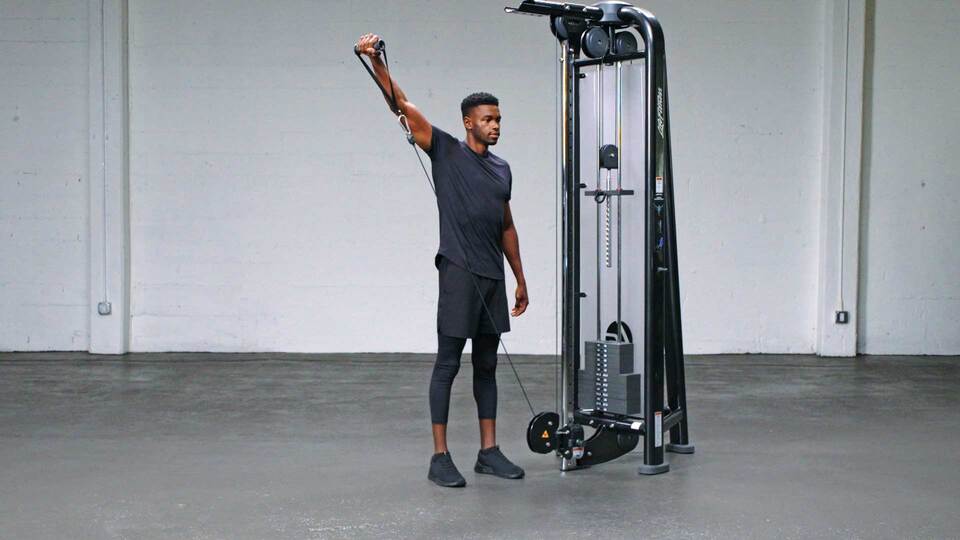 97.7 mSCORESWAPPED 33 TIMES
Cable Lateral Raise is a variation on the more standard Dumbbell Shoulder Raise. Similar to the Dumbbell Shoulder Raise, this isolation exercise primarily targets the shoulders, and more specifically the medial deltoid (middle of the shoulder). By using a cable machine, you have more control over the direction your resistance is coming from, and can easily make adjustments. In addition, by isolating each side of the body, you can more easily identify and address strength imbalances between sides.
4. Dumbbell Rear Delt Raise
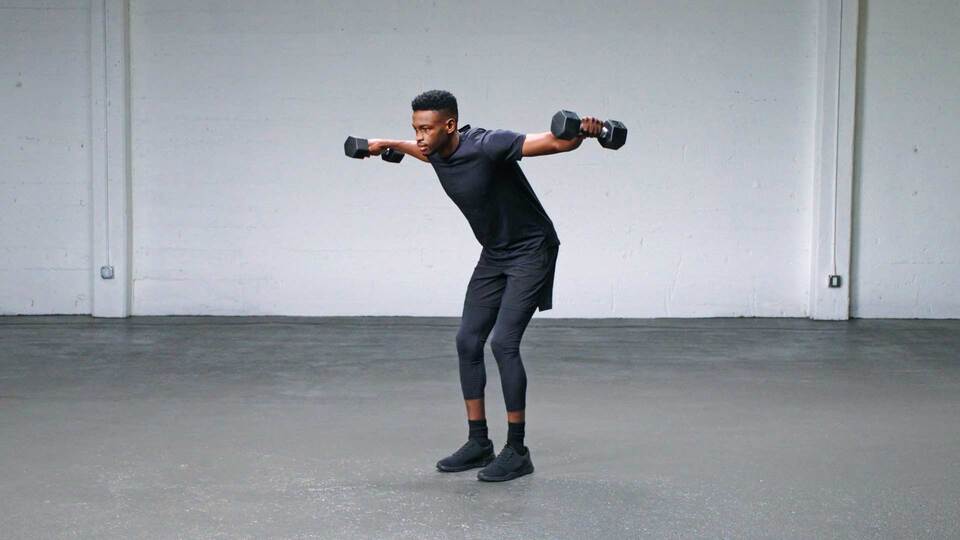 94.7 mSCORESWAPPED 33 TIMES
Dumbbell Rear Delt Raise is a variation of Dumbbell Shoulder Raise. Similar to other shoulder raises, this is an isolation exercise that primarily targets the shoulders. By hinging your hips back, and leaning forward slightly, you can further emphasize your rear deltoids (back of the shoulder).
5. Dumbbell Front Raise
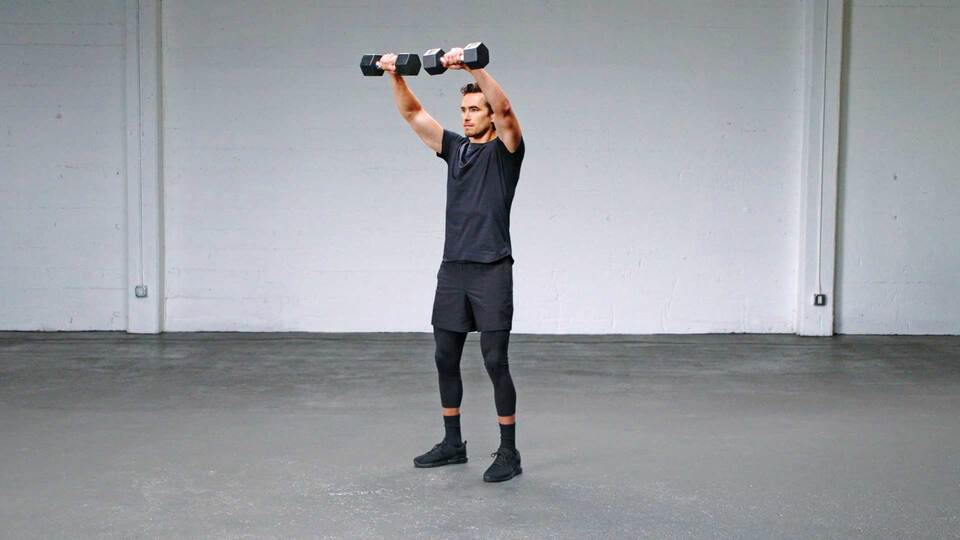 98.6 mSCORESWAPPED 32 TIMES
Dumbbell Front Raise is an isolation exercise that primarily targets the shoulders, more specifically the anterior deltoid (front of the shoulder). This is a very common shoulder exercise, and can work well to isolate the shoulders to build strength and muscle mass. By using dumbbells, you can help identify and address any strength imbalances between sides.
6. Iron Cross
 80.2 mSCORESWAPPED 27 TIMES
Iron Cross is a compound movement that combines multiple movements together, and targets a wide variety of different muscle groups. Keeping your arms extended and parallel to the floor helps to keep your shoulders engaged throughout the movement. Adding this movement to a squat helps to recruit more muscles than performing similar exercises in isolation.
7. Arnold Dumbbell Press
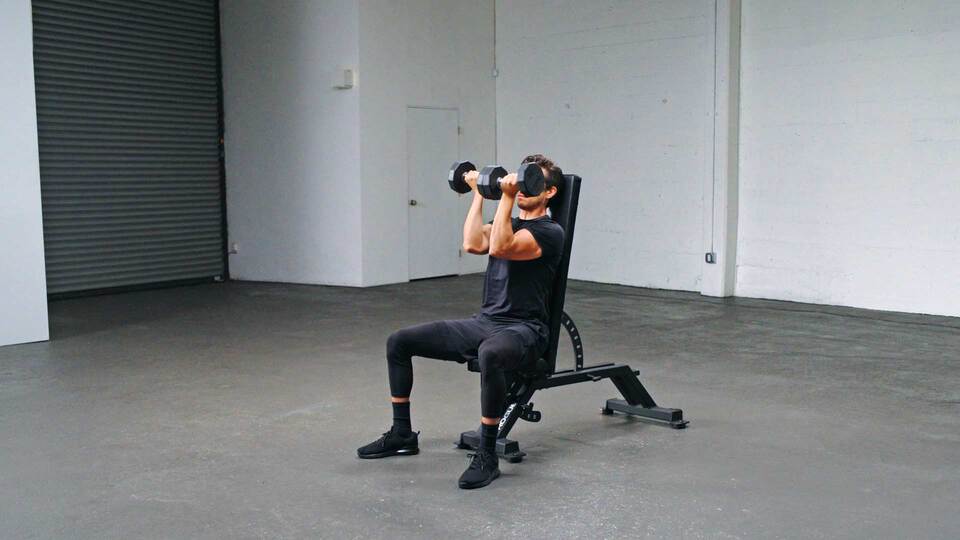 93.2 mSCORESWAPPED 26 TIMES
Arnold Dumbbell Press is a compound movement that primarily targets the shoulders. The difference between the Arnold Press and a standard Shoulder Press is that you bring the dumbbells in front of you at the bottom of the movement rather than stopping when they reach your shoulders. Bringing the dumbbells in front of you can be more a comfortable movement as well as improve muscle activation.
8. Front Plate Raise
 79.2 mSCORESWAPPED 26 TIMES
Front Plate Raise is an isolation exercise that primarily targets the anterior deltoid (front of the shoulder). By using a weight plate, you ensure an even distribution of weight, which can help maintain consistency throughout the movement. This exercise is great for emphasizing the front of your shoulder and adding some variety to your shoulder workouts.
- Intermediate
- Shoulders
- Plates
9. Dumbbell Shoulder Press
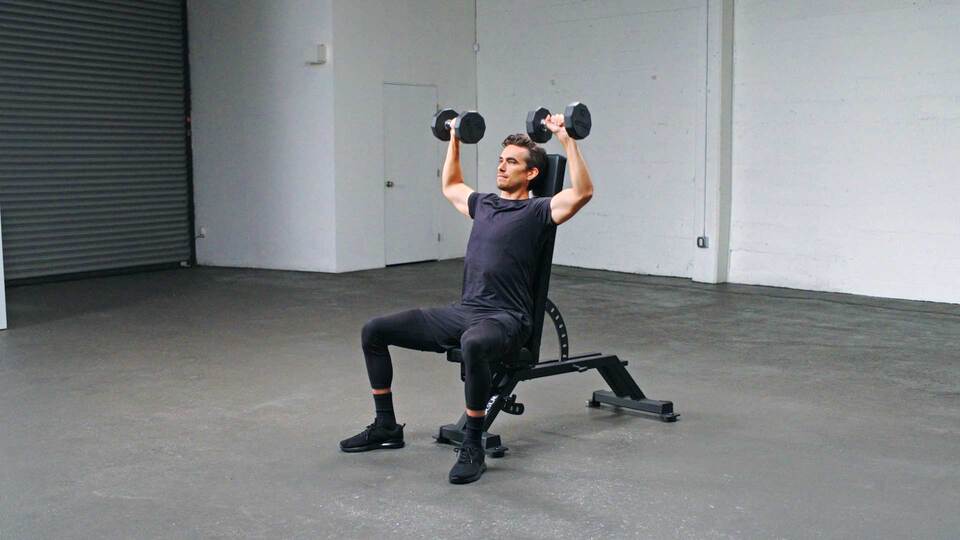 99.5 mSCORESWAPPED 24 TIMES
Dumbbell Shoulder Press is a compound exercise that primarily targets the shoulders. The use of dumbbells allows for slightly more instability than with equipment like barbells. This can help you recruit and develop stabilizing muscles around the shoulders. In addition, by using dumbbells, you can help identify and address any strength imbalances between sides.
10. Battle Ropes Outside Slam
 24.9 mSCORESWAPPED 24 TIMES
Battle Ropes Outside Slam is a variation on the standard Battle Ropes. This compound, high-intensity exercise primarily targets the shoulders, arms, and core. By slamming the ropes outside your body, you recruit more muscles around your shoulders and core for stabilization. This exercise is excellent for increasing power, cardio, and overall conditioning while adding a dynamic twist to your Battle Ropes routine.
- Intermediate
- Shoulders
- Battle Ropes