


Your 40s change the math on fitness. Muscle starts slipping away faster, bone density begins to decline, and perimenopause can reshape your sleep, mood, and body composition seemingly overnight. The good news: one habit addresses nearly all of it. Resistance training lifting weights, using bands, or working against your own bodyweight is the most effective tool women over 40 have for staying strong, capable, and healthy for decades to come.
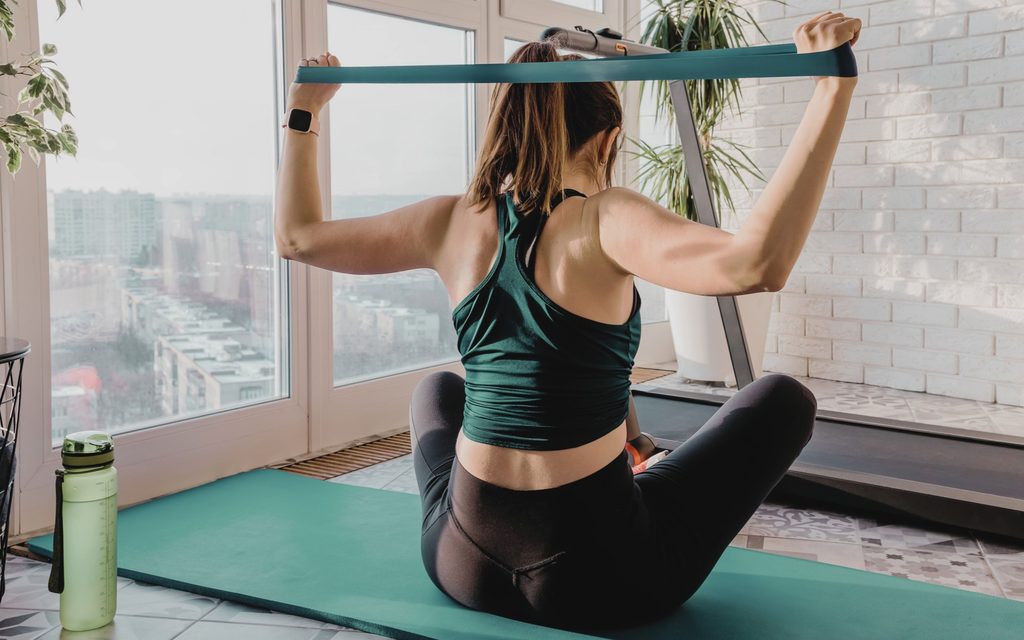
And it’s never too late to start. When Fitbod’s answers the question “I’m over 40 is strength training still safe and effective?”, the answer is direct: “Absolutely“. Below are 10 research-backed benefits of resistance training, the Fitbod data that supports them, and exactly how to start.
Key Takeaways
- Muscle loss accelerates after 40. Adults can lose 3–8% of their muscle mass per decade without resistance training (Fitbod) and lifting is the most effective way to stop it.
- Lifters over 40 need slightly more volume. Fitbod’s analysis of 4 million+ lean mass measurements from ~124,000 users found lifters over 40 need about 14.3% more weekly sets to match the gains of younger lifters (Fitbod).
- Women on Fitbod are building real muscle. Women averaged a 5.6 lb lean muscle gain in 2025, and 511,000+ women joined Fitbod that year (Fitbod 2025 State of Strength Report).
- Heavy-enough lifting protects bone. In the LIFTMOR trial, postmenopausal women with low bone mass improved lumbar spine bone density by 2.9% with supervised high-intensity resistance training.
- The benefits go beyond the body: better blood sugar control, fewer hot flashes, deeper sleep, lower depressive symptoms, and a 10–17% lower risk of early death with just 30–60 minutes of weekly muscle-strengthening work.
- Consistency beats intensity. In Fitbod’s peer-reviewed study of 389,481 users, the number of distinct workout days in the first month was the strongest predictor of who was still training a year later (Fitbod).
Table of Contents
- Resistance Training Preserves and Builds Muscle
- It Protects Your Bones Through Menopause
- It Keeps Your Metabolism Working for You
- It Improves Blood Sugar and Insulin Sensitivity
- It Can Ease Menopause Symptoms
- It Helps You Sleep Better
- It Strengthens Joints, Balance, and Mobility
- It Boosts Mood and Brain Health
- It Supports Heart Health and Longevity
- It Builds Confidence and Independence
- How to Start Resistance Training After 40
- Frequently Asked Questions
- Final Thoughts
1. Resistance Training Preserves and Builds Muscle
The single biggest reason to lift after 40 is sarcopenia, the gradual, age-related loss of muscle mass and strength. It begins quietly in your 30s, then picks up speed. According to Fitbod Trainer and Senior Advisor Chris Matsui, CSCS, adults can lose 3–8% of their muscle mass per decade without resistance training, and the decline accelerates after 40.
For women, there’s an added factor: estrogen. Estrogen helps support muscle maintenance and repair, so as levels fall during perimenopause and menopause, muscle becomes harder to keep and much easier to lose.
Resistance training is the most effective countermeasure. Challenging your muscles with progressively heavier loads tells your body that muscle tissue is still needed, which stimulates growth instead of breakdown.
What Fitbod data shows
Women aren’t just maintaining muscle on Fitbod, they’re building it. Women averaged a 5.6 lb lean muscle gain in 2025.
There’s an important nuance for lifters over 40, though. Fitbod analyzed more than 4 million lean mass measurements from roughly 124,000 users and found that lifters over 40 need about 14.3% more total weekly sets to match the lean mass gains of younger lifters. In practice, if a 25-year-old grows on 10 sets of chest per week, a 45-year-old may need 11–12. It’s a small adjustment, but it’s the difference between maintaining and progressing.
Takeaway: Lifting is the most direct way to slow, stop, and reverse age-related muscle loss. Plan for slightly more weekly volume than you’d need in your 20s.
2. It Protects Your Bones Through Menopause
Bone loss speeds up dramatically around menopause. According to the Bone Health & Osteoporosis Foundation, women can lose up to 20% of their bone density in the five to seven years following menopause, which is a major reason one in two women over 50 will break a bone due to osteoporosis.
Bone, like muscle, responds to load. When muscles pull on bones under resistance, they create a mechanical signal that stimulates bone-building cells. That’s why Fitbod lists “stronger bones from load-bearing exercise“ among the top benefits of lifting after 40.
The research
For years, women with low bone mass were told to avoid heavy lifting. The LIFTMOR trial challenged that. Postmenopausal women with low bone mass performed supervised, high-intensity resistance and impact training (think deadlifts, overhead presses, and squats at roughly 80–85% of max) twice a week for eight months. Their lumbar spine bone density increased by 2.9%, while the low-intensity control group lost bone and the women also improved height, posture, and functional performance, with no serious injuries.
Takeaway: Compound lifts like squats, deadlifts, and overhead presses load the spine and hips exactly where osteoporotic fractures happen most. Progress to challenging loads gradually, and talk to your doctor first if you’ve been diagnosed with osteoporosis.
3. It Keeps Your Metabolism Working for You
Many women notice that the same eating and exercise habits that worked at 30 stop working at 45. Part of that is muscle loss: muscle is metabolically active tissue, and losing it lowers the number of calories you burn at rest.
Resistance training reverses that trend. In a review published in Current Sports Medicine Reports, researcher Wayne Westcott reported that 10 weeks of resistance training increased lean weight by about 1.4 kg (3 lb), increased resting metabolic rate by about 7%, and reduced fat weight by about 1.8 kg (4 lb) in inactive adults. Fitbod’s over-40 guide likewise lists higher resting metabolism as a core benefit of lifting.
It also changes how your body looks, independent of the scale. Gaining muscle while losing fat can mean your weight barely moves while your clothes fit very differentlym a common experience Fitbod explores in Losing Inches, But Not Weight.
Takeaway: Lifting is the best long-term strategy for body composition after 40, because it changes what your weight is made of.
4. It Improves Blood Sugar and Insulin Sensitivity
Insulin resistance tends to rise during the menopause transition, increasing the risk of type 2 diabetes and weight gain around the midsection. Skeletal muscle is your body’s largest site of glucose disposal, so more (and more active) muscle means better blood sugar control.
The American Diabetes Association’s position statement on physical activity recommends resistance training 2–3 times per week for adults with or at risk of type 2 diabetes, noting it improves glycemic control, insulin sensitivity, and strength. Fitbod’s over-40 playbook also highlights better insulin sensitivity and blood glucose control as a key benefit.
Takeaway: Every working set helps your muscles pull sugar out of your bloodstream, a benefit that compounds over years of consistent training.
5. It Can Ease Menopause Symptoms
Hot flashes and night sweats affect most women during the menopause transition, and they can derail sleep, focus, and quality of life. Strength training may help.
In a randomized controlled trial from Linköping University in Sweden, postmenopausal women who did 15 weeks of resistance training, three times per week, cut the frequency of moderate-to-severe hot flushes roughly in half compared to their baseline, while the control group saw minimal change.
Lifting also helps with the less-talked-about symptoms: stiffness, joint aches, low energy, and the feeling of losing control over your body. Fitbod reports that women log 23% more mobility exercises than men and pairing mobility work with strength training is a smart way to keep joints feeling good.
Takeaway: Resistance training is a drug-free tool that may reduce hot flashes and help you feel more at home in your body during perimenopause and menopause.
6. It Helps You Sleep Better
Sleep often becomes fragile in your 40s. Hormonal shifts, night sweats, and stress can make it harder to fall asleep and stay asleep.
A systematic review in Sleep Medicine Reviews found that regular resistance training improves overall sleep quality, with the strongest effects on subjective sleep quality. Better sleep, in turn, improves recovery which matters because, as Fitbod puts it, “muscle growth happens during recovery, not just in the gym”. Fitbod’s over-40 guide recommends aiming for 7–9 hours of sleep to support training.
Takeaway: Lifting and sleep reinforce each other. Train regularly, and avoid very intense sessions right before bed if they keep you wired.
7. It Strengthens Joints, Balance, and Mobility
It’s a common myth that lifting weights is hard on your joints. Done well, it does the opposite. Stronger muscles absorb force and stabilize joints, and loading tendons and ligaments makes them more resilient. Fitbod cites healthier joints and connective tissue and better posture, balance, and mobility as benefits of lifting after 40 (Fitbod).
Strength and balance also prevent falls the leading cause of injury in older adults. A Cochrane review of more than 100 trials found exercise programs that include balance and functional training reduce the rate of falls by about 23%.
Joint-friendly lifting
If you have achy knees, hips, or shoulders, you don’t have to avoid lifting you just need smarter exercise selection. Fitbod recommends joint-friendly options like trap bar deadlifts, landmine presses, and neutral-grip movements, plus lowering each rep slowly over 2–3 seconds to control the load. For more ideas, see Fitbod’s guide to low impact strength training.
Takeaway: Controlled, progressive strength training protects joints and is one of the best investments you can make in staying mobile and injury-free.
8. It Boosts Mood and Brain Health
Perimenopause is associated with an increased risk of depressive symptoms, anxiety, and brain fog. Resistance training is a powerful, evidence-based mood booster.
A meta-analysis of 33 randomized trials in JAMA Psychiatry, including nearly 1,900 participants, found that resistance exercise significantly reduced depressive symptoms, regardless of health status or how much total training people did. Fitbod’s over-40 guide also lists cognitive and mental health support among lifting’s core benefits.
There’s a practical mood benefit too: progress you can see. Hitting a personal record, lifting more than you ever have, is a confidence boost that carries into the rest of your day. Fitbod users who followed the app’s AI recommendations logged 24% more PRs in 2025.
Takeaway: Lifting is good for your mind as well as your muscles and measurable progress is its own antidepressant.
9. It Supports Heart Health and Longevity
After menopause, women’s risk of cardiovascular disease rises sharply. Cardio gets most of the credit for heart health, but strength training plays a big role, too.
A 2022 meta-analysis in the British Journal of Sports Medicine found that 30–60 minutes per week of muscle-strengthening activity was associated with a 10–17% lower risk of death from all causes, cardiovascular disease, and cancer. Combining strength training with aerobic activity produced even greater benefits.
You don’t need hours in the gym to get there. That’s two or three 20–30 minute sessions a week. And short workouts count: Fitbod users who trained consistently in sessions of 10 minutes or less still averaged 32 PRs in 2025.
Takeaway: A modest weekly dose of strength training is one of the best-documented ways to live longer, and it fits into a busy schedule.
10. It Builds Confidence and Independence
The ultimate benefit of resistance training is the life it supports: carrying groceries up the stairs, lifting a suitcase into an overhead bin, playing with kids or grandkids, hiking without worrying about your knees. Strength is what keeps you independent.
It also changes how you see yourself. Strength training gives you a goal that has nothing to do with shrinking, it’s about getting more capable. Women on Fitbod lean into that, training glutes 56% more than men, one of the most important muscle groups for hip health, posture, and everyday power.
And you won’t be alone in starting fresh: 60% of new Fitbod users in 2025 were new to strength training.
Takeaway: Strength training is an investment in the decades ahead, helping you stay capable, confident, and independent.
How to Start Resistance Training After 40
Fitbod Trainer Chris Matsui, CSCS, recommends the following framework for lifters over 40:
| Training variable | Recommendation for 40+ |
|---|---|
| Frequency | Train each muscle group 2–3x per week |
| Weekly volume | 10–20 hard sets per muscle group |
| Rep ranges | 5–10 (compound lifts), 8–15 (accessories), 10–20 (isolation) |
| Intensity | Hardest sets around RPE 8–9 (1–2 reps left in the tank) |
| Rest | 2–3 min for compounds; 60–120 sec for accessories |
| Tempo | Lower each rep over 2–3 seconds |
| Deloads | Every 6–10 weeks |
| Recovery | 7–9 hours of sleep; 0.7–1 g protein per lb of body weight |
Focus on showing up
The most important variable isn’t on that table, it’s consistency. In Fitbod’s peer-reviewed study of 389,481 users, the number of distinct workout days in the first month had the strongest link to long-term adherence. Users who were consistent in their first three months also logged 3.6x more PRs. Start with two or three short sessions a week and protect them.
Let Fitbod do the programming
Managing volume, progression, and recovery is a lot to track, especially with a full schedule. Fitbod builds each workout around your goals, equipment, experience, and muscle recovery, then automatically applies progressive overload as you get stronger. Its 1RM estimates fall within a 2.8% margin, so you’re always lifting a weight that’s challenging but appropriate. And when recovery lags, the app gets more conservative, which matters even more after 40.
Fitbod has been called “one of the best strength training apps for women over 40“, is rated 4.8/5 on the App Store across 250,000+ reviews, and has logged more than 157 million workouts.
Need a workout program? Try Fitbod for Free. Learn more
Frequently Asked Questions
Is it too late to start strength training at 40, 50, or beyond?
No. Muscle and bone respond to resistance training at every age. Fitbod’s answer to whether strength training is safe and effective over 40 is “Absolutely” — it improves bone density, joint health, and metabolism as we age (Fitbod FAQs). Start with manageable weights and build up gradually.
How often should women over 40 lift weights?
Aim to train each major muscle group 2–3 times per week, for a total of 10–20 hard sets per muscle group weekly (Fitbod). For most women, that means two to four full-body or upper/lower sessions a week.
Do women over 40 need to lift heavy?
You need to lift challenging weights, which should feel hard by the last few reps. For bone health in particular, research like the LIFTMOR trial suggests heavier, progressive loads produce better results than light weights alone. Build up to heavier loads gradually with good form.
Will lifting weights make me bulky?
No. Women build muscle more slowly than men due to lower testosterone levels. Fitbod’s 2025 data showed women averaged 5.6 lb of lean muscle gain over the year versus 10.8 lb for men (Fitbod 2025 State of Strength Report). For most women, that translates into a firmer, stronger, more defined look.
Does strength training help with menopause weight gain?
It helps by preserving muscle and raising resting metabolism, which supports better body composition. Research shows 10 weeks of resistance training can increase resting metabolic rate by about 7% and reduce fat weight by about 4 lb (Westcott, 2012). Pair it with adequate protein and a modest calorie deficit if fat loss is your goal.
What is the best strength training app for women over 40?
Fitbod is a strong option because it personalizes every workout to your recovery, equipment, and experience, then progresses you automatically. It’s rated 4.8/5 across 250,000+ App Store reviews (Fitbod FAQs) and is built on data from millions of logged workouts.
Final Thoughts
Your 40s aren’t the time to slow down on strength, they’re the time to prioritize it. The changes that come with perimenopause and menopause, from faster muscle and bone loss to shifting metabolism, mood, and sleep, all respond to the same intervention: consistently lifting challenging weights. The research is clear, and so is the real-world evidence. Women on Fitbod gained an average of 5.6 lb of lean muscle in 2025, and the app’s data on more than 124,000 lifters shows that a modest bump in weekly volume, about 14% more sets, is all it takes to keep making gains after 40. Start with two or three sessions a week, focus on compound lifts like squats, deadlifts, rows, and presses, and prioritize showing up over perfection. If you’d rather skip the guesswork, Fitbod will build every workout around your body, your recovery, and your goals — so the strongest version of you is still ahead.


